Coinneach Odhar Fiosaiche
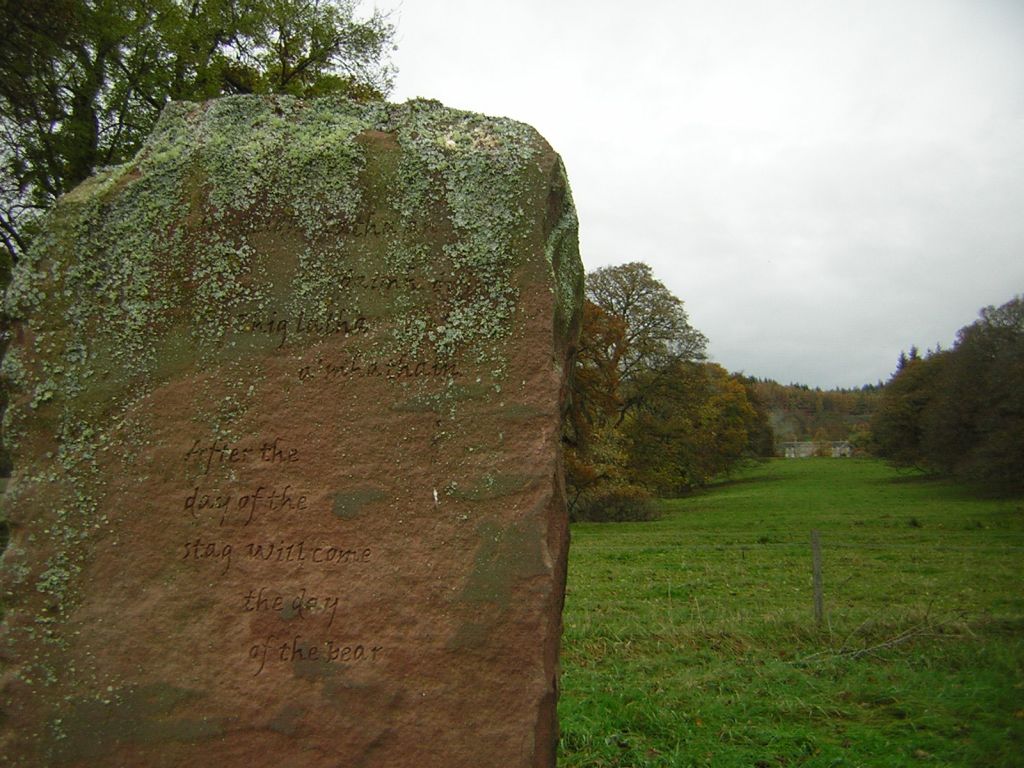
Oighreachd Bhrathainn, fàisneachd
Am measg taibhsearan na Gaidhealtachd b’ e Coinneach Odhar Fiosaiche a b’ ainmeile. Bha urram aig Coinneach mar fhàidh na dhùthaich fhèin oir bha a chliù mar fhiosaiche air a chraobh-sgaoileadh air feadh an Taoibh Tuath, agus eadhon an-diugh cluinnear gu tric iomradh air na rudan neo-àbhaisteach a labhair e.
Cha robh eòlas aig daoine air ach o bheul-aithris ach chaidh iomradh fhaighinn air ann an eachdraidh. Bha seo ann an seann phàipear a bha air a sgrìobhadh ann an Laideann, leis an luchd-riaghlaidh, anns a’ bhliadhna 1577, mu àm Rìgh Seumas VI.
Tha Coinneach air ainmeachadh anns a’ phàipear seo mar Keonoch Owir, fìor dhraoidh.
Tha caochladh sgeulachdan neònach air an innse mu làithean òige Choinnich. Thathar air ag ràdh gun d’ fhuair e grèim uaireigin air cloich a bha anabarrach bòidheach an dath is an cumadh, is toll tro meadhan. An uair a bheireadh e sùil troimhpe chitheadh e sealladh air rudan a bha gu teachd. Bha iad a’ canntain gun do chaill e sealladh tè de a shùilean a’ chiad uair a choimhead e tron chloich, agus gun robh e dall air an t-sùil sin riamh an dèidh sin.
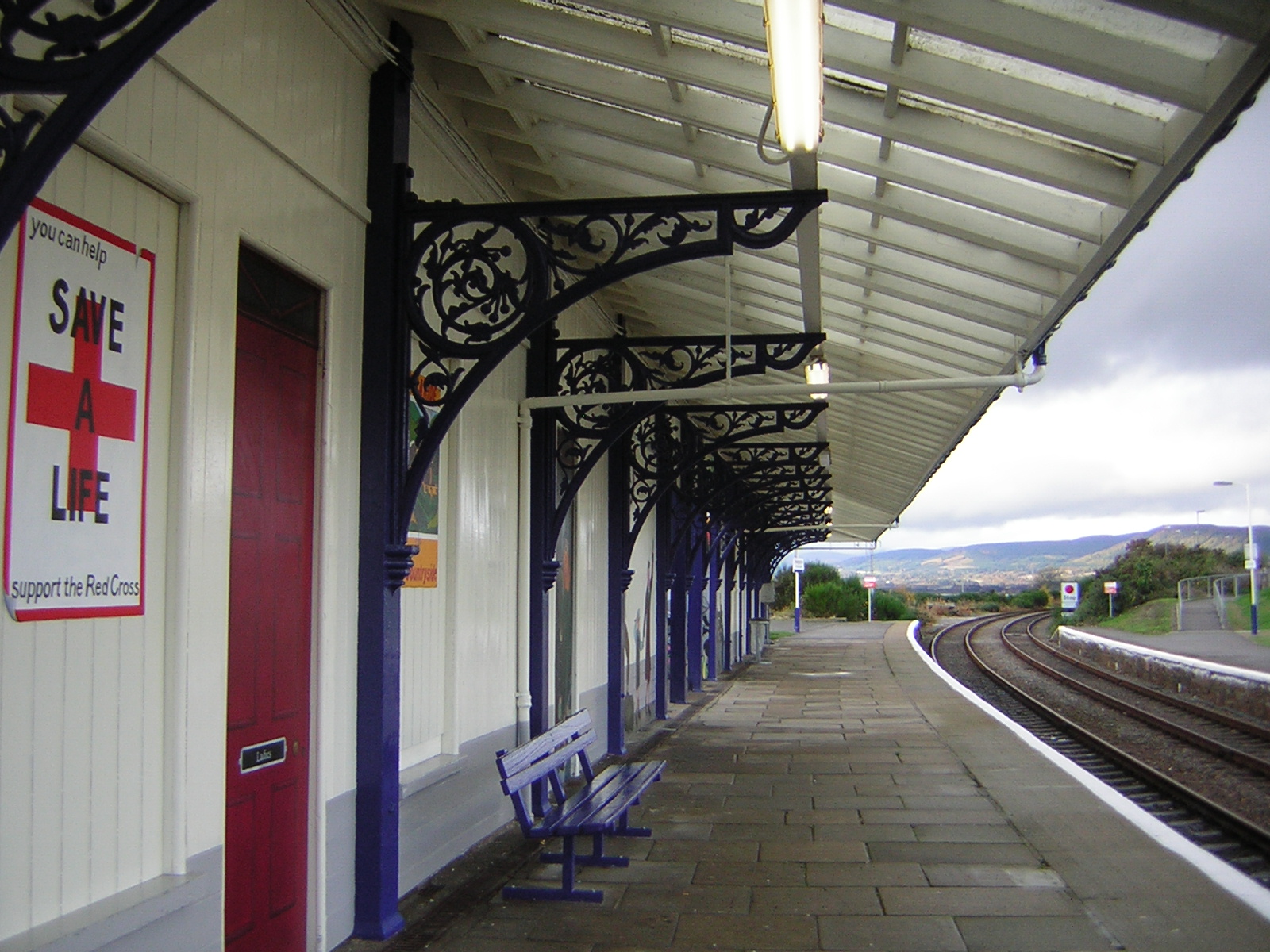
Stèisean Inbhir Ghòrdain
Dh’innis e fada ro làimh mu rathaidean mòra is mu rathaidean iarainn a bha gu dhol tarsainn air an dùthaich. “Thig an là an uair a chithear rathad a’ dol tro chnuic Shiorrachd Rois bho mhuir gu muir, agus drochaid thar gach uillt. Thig an là an uair a bhios sreath fhada de charbadan a’ siubhal eadar Inbhir Nis agus Inbhir Pheofharain, agus chan fheum iad eich gan tarraing.”
Dh’innis e mu àm anns am biodh fèidh agus caoraich na bu phrìseile ann an sùilean nan uachdaran Gaidhealach na daoine, agus mar a bha sin a’ dèanamh nan gleann fàs. “Thig an là a chuireas obair chaorach agus an crann-treabhaidh a-mach à bith.”
Thug e iomradh air an adhartas a thigeadh air obair an lìghiche ann a bhith leigheis euslainte. Thuirt e mu thobraichean Srath Pheofharain, “Thig an là an uair a bhios glas is iuchair air na h-uisgeachan searbha so, agus bithidh sluagh a’ tighinn às gach àite gan òl.”
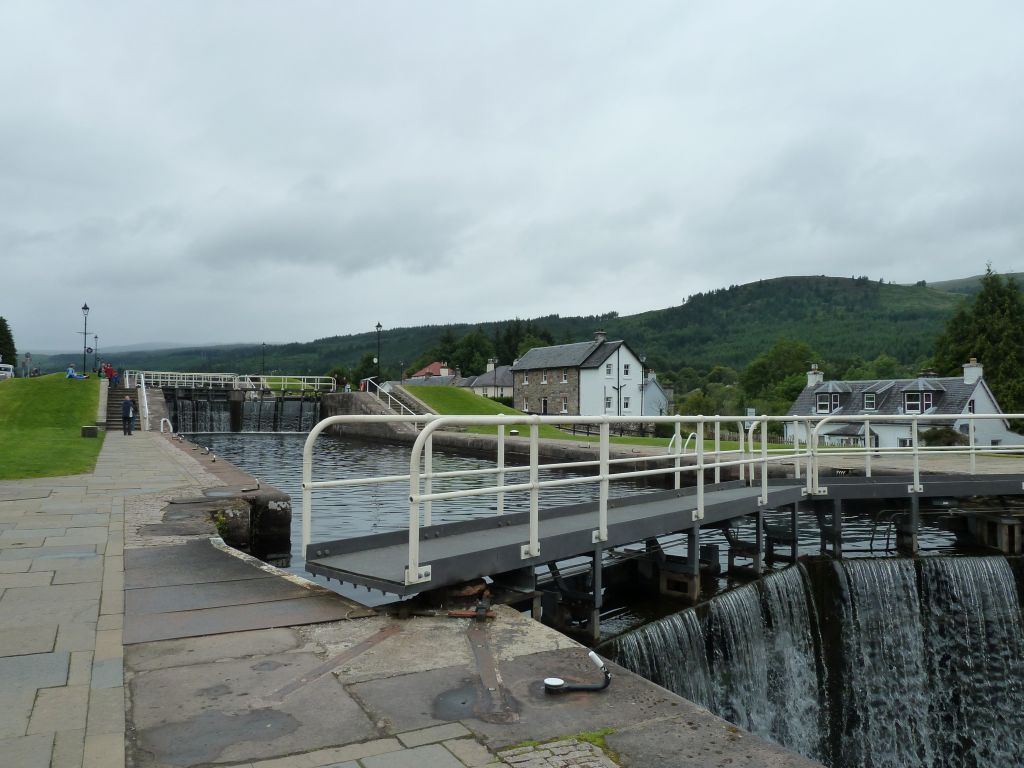
Cille Chuimein / Fort Augustus
Dh’innis e gum bitheadh bàtaichean a’ seòladh bho cheann gu ceann de Ghleann Mòr na h-Alba. Chunnaic e an là a bhiodh glas is iuchair air Tom na h-Iùbhraich, agus tha fhios gu bheil an cnoc bòidheach sin a-nis na àite adhlacaidh ro-thlachmhor.
Tha iad a’ creidsinn gun d’ rinn e fàisneachd mu Bhlàr Chùil Lodair. “O, Dhruim-Athaisidh, tha mi a’ faicinn latha air am bidh do raointean dearg le fuil uasal laoch nan gleann.”
“Thig an là,” thuirt e, “an uair a bhios taigh-òil aig ceann gach claise, agus poileasman aig oisinn gach sràide.” Chan eil fhios an robh Coinneach a’ faicinn a’ cheangail làidir eadar an dà rud sin.
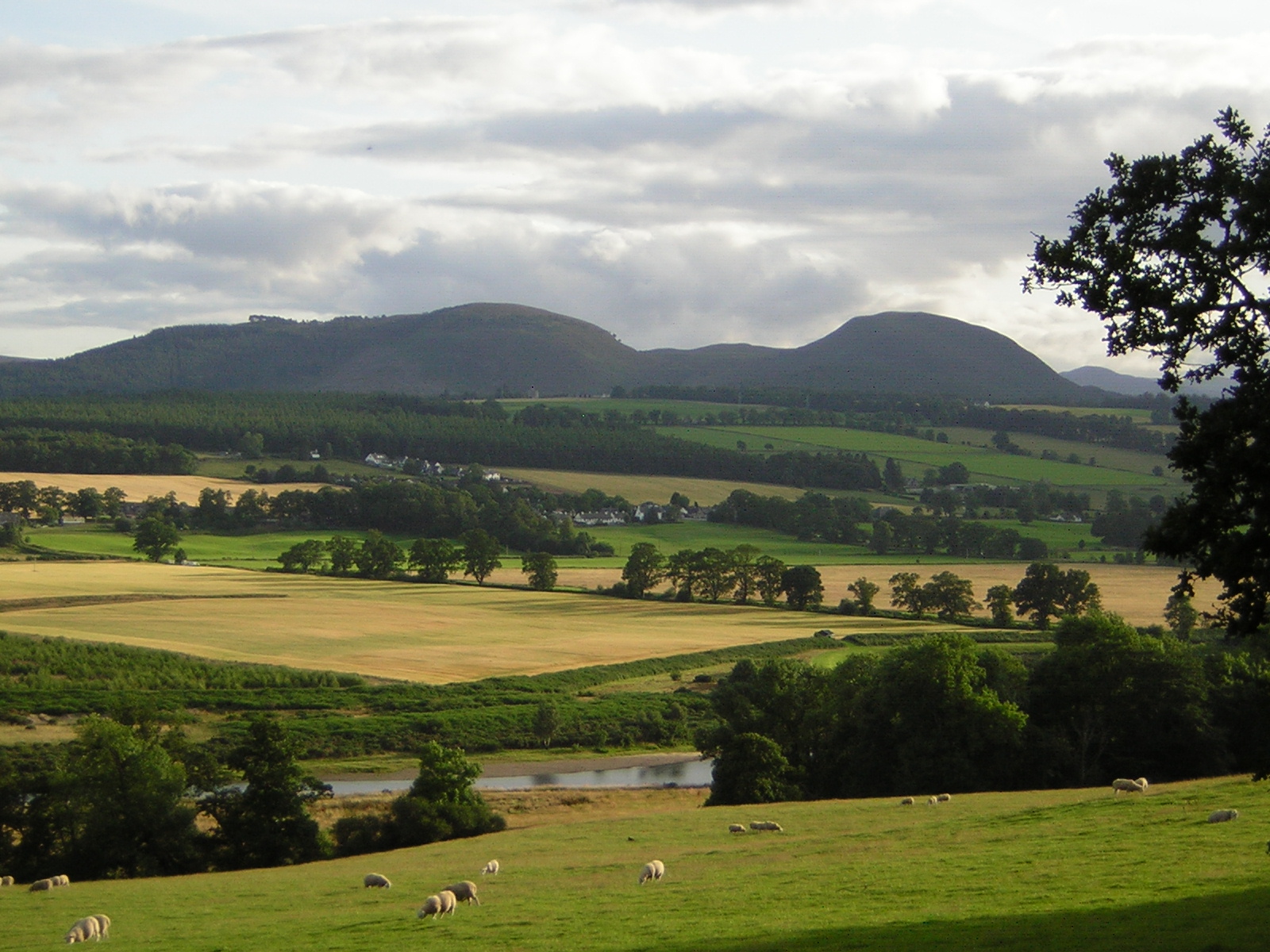
Oighreachd Bhrathainn + ‘Sleeping Lady’
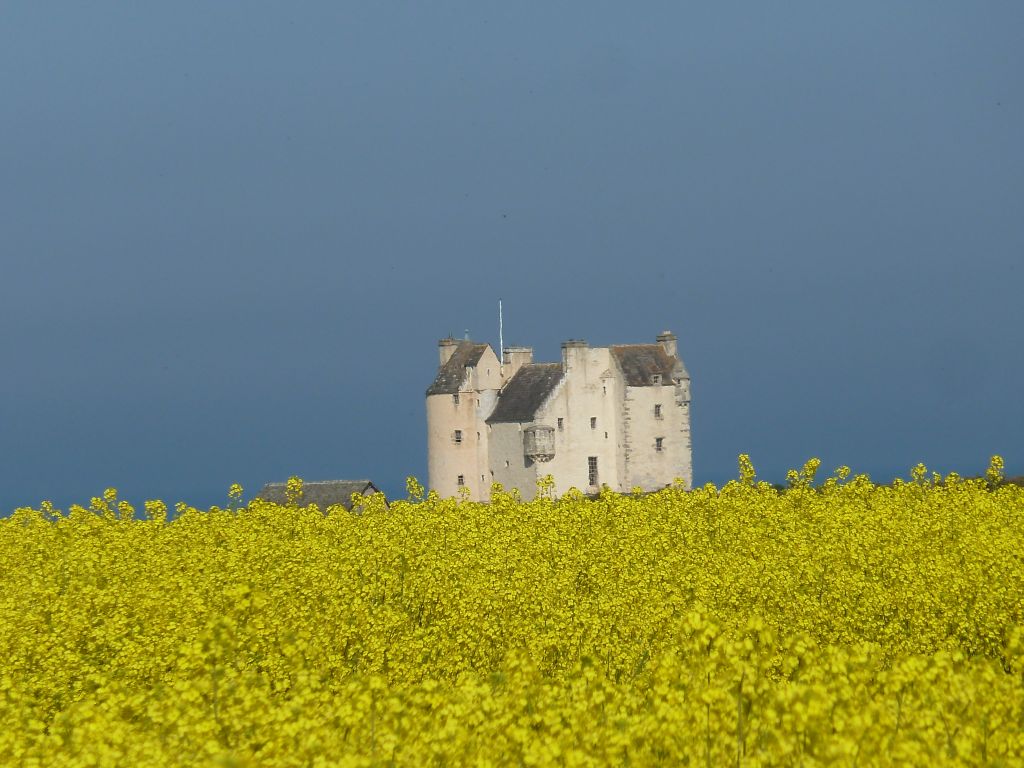
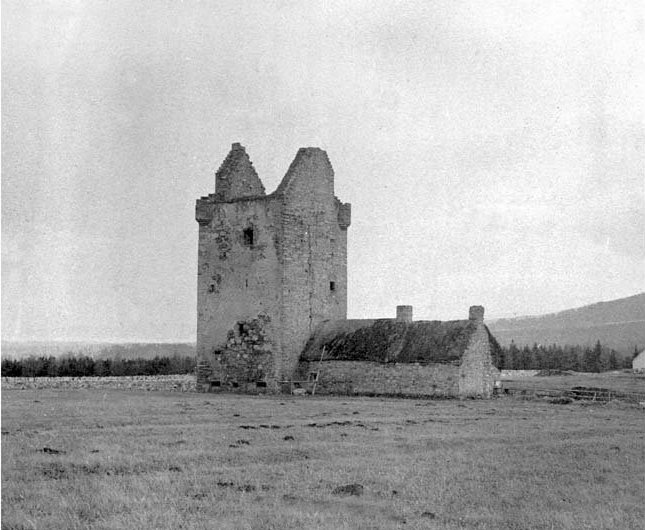
Mheudaich cliù Choinnich mar fhiosaiche leis an fhàisneachd a rinn e mu cheannard Chlann Mhic Choinnich, Triathan ainmeil Chinn Tàile, agus a bha a’ còmhnaidh ann an seann Chaisteal Bhrathainn, far an d’ fhuair Coinneach obair, agus bha teaghlach Mhic Choinnich cuideachd ann am Tùr Fharabraoin faisg air làimh. Bha e coltach gun deach Coinneach agus Baintighearna Bhrathainn a-mach air a chèile an uair a labhair e mu a fear-pòsta agus ‘s math dh’fhaoidte mu a deidhinn fhèin, rudan nach bu mhath leatha a bhith cluinntinn – nam measg, gun robh e còmhla ri boireannach eile ann am Pairios. Thuirt e cuideachd: “Thig an là an uair a chailleas Clann Mhic Choinnich an seilbh gu lèir, a bhios an caisteal aca falamh, agus an uair a bheireas bò laogh ann an seòmar as àirde Tùr Fharabraoin.” Bha fhios aice nach toireadh am marbh fianais, agus chuir i air gun robh e ri draoidheachd.
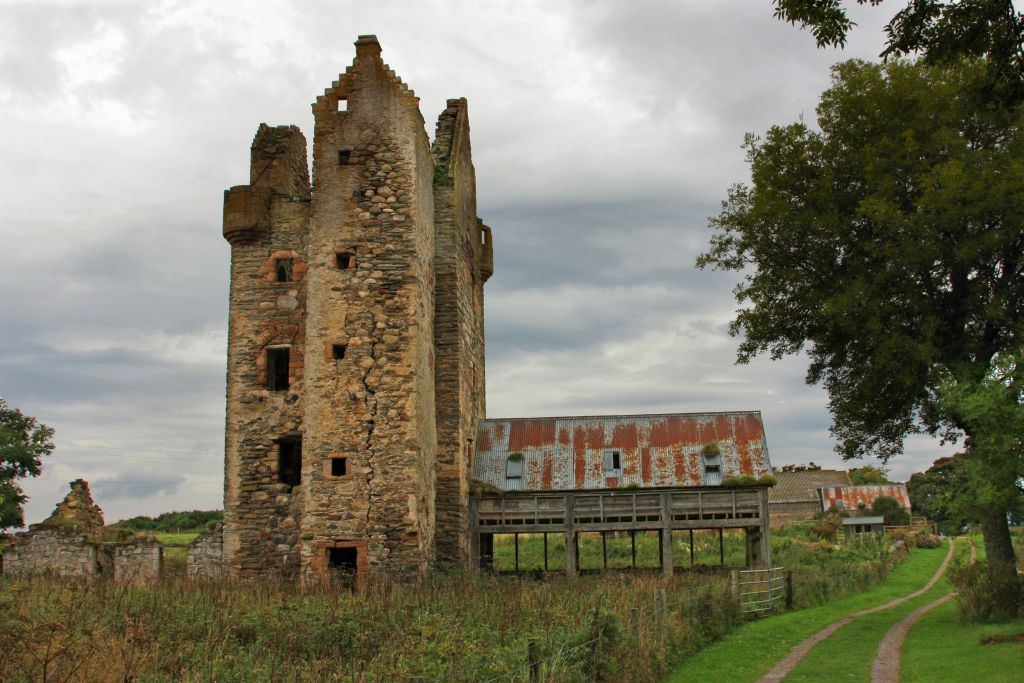
Tùr Fharabraoin
Chaidh am fiosaiche a chur gu bàs ann am baraille teàrra, faisg air far a bheil an taigh-solais na sheasamh an-diugh air Rubha na Cananaich, an taobh an ear de Shiorrachd Rois.
Bha a’ Bhaintighearna am measg an fheadhainn a lean e gus an àite sin. Is ann an uair a bha iad a’ magadh air, air an rathad, a thionndaidh e rithe, agus a rinn e an fhàisneachd ainmeil mun cluinnear gu tric fhathast.
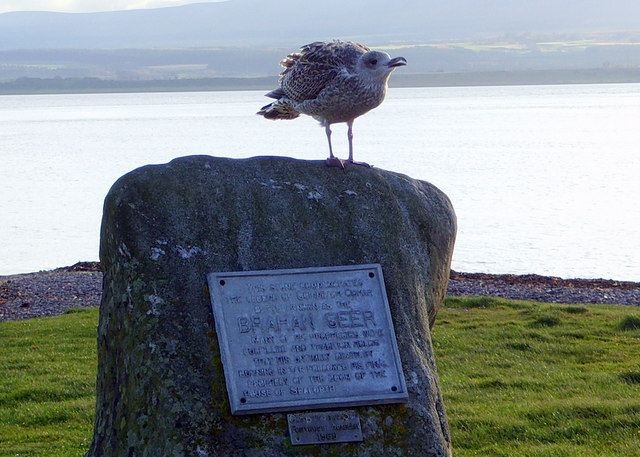
Rubha na Cananaich
“Tha mi a’ faicinn”, ars esan, “an t-Iarla Siòphort mu dheireadh a bhios ann an Caisteal aosta Bhrathainn. Cha bhith Ard-thriath Chinn Tàile ann tuilleadh na dhèidh, agus bithidh oighreachd Chinn Tàile nan àrd-bheann aig coigrich. Bithidh an Triath mu dheireadh bodhar, balbh. Bithidh ceathrar mhac aige, agus chì e an ceathrar roimhe san uaigh. Bithidh e na dhuine brònach truagh, agus fhios aige nach bidh duine a bhuineas dha a’ tighinn às a dhèidh.” Agus ‘s e sin a thacair, ann an 1815, is a’ mhorchuid den mhìon- phuingean ceart. Mar a sgrìobh Sir Walter Scott:
“Of the line of MacKenneth remains not a male
To bear the proud name of High Chief of Kintail.”
Agus ann an 1851, agus Tùr Fharabraoin na thobhta mar-thà agus ga chleachdadh mar shabhal, chaidh an fhàistneachd ud eile a choileanadh. Lean bò an ceann laoigh sreath connlaich suas an staidhre chun an lobhta agus cha d’ fhuair i a-mach. Bha i ann coig làithean, cothrom math do dhaoine den sgìre an fhàisneachd fhaicinn air tighinn gu buil le an sùilean fhèin. Bha fiù’s cuid a’ tighinn air trèan sònraichte à Inbhir Nis leis cho ainmeil a bha am fiosaiche fhathast.
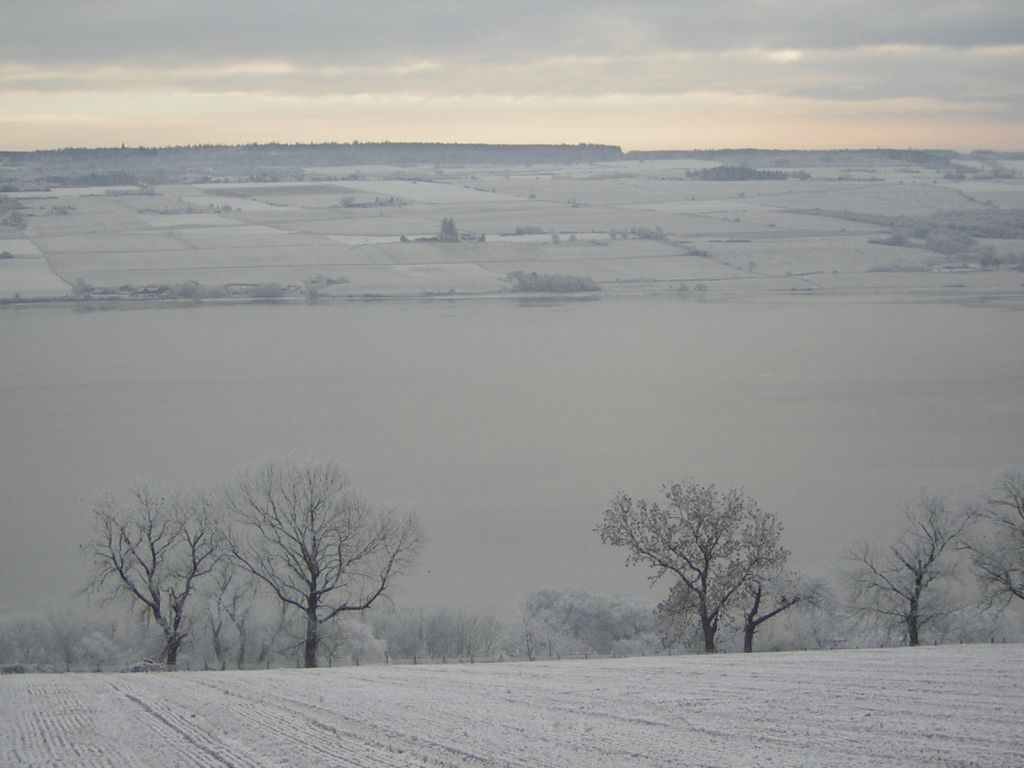 Tha mòran fhàisneachdan eile air an coileanadh, no air am mìneachadh mar choileanta, agus feadhainn nach eil fhathast. “Thig an là air am bidh sionnach geal air a mharbhadh ann an Cataibh.” Cò aige tha fhios nach robh Coinneach a’ faicinn fada às Linn na h-Eighe a’ tighinn air an talamh a-rìs?
The Brahan Seer:
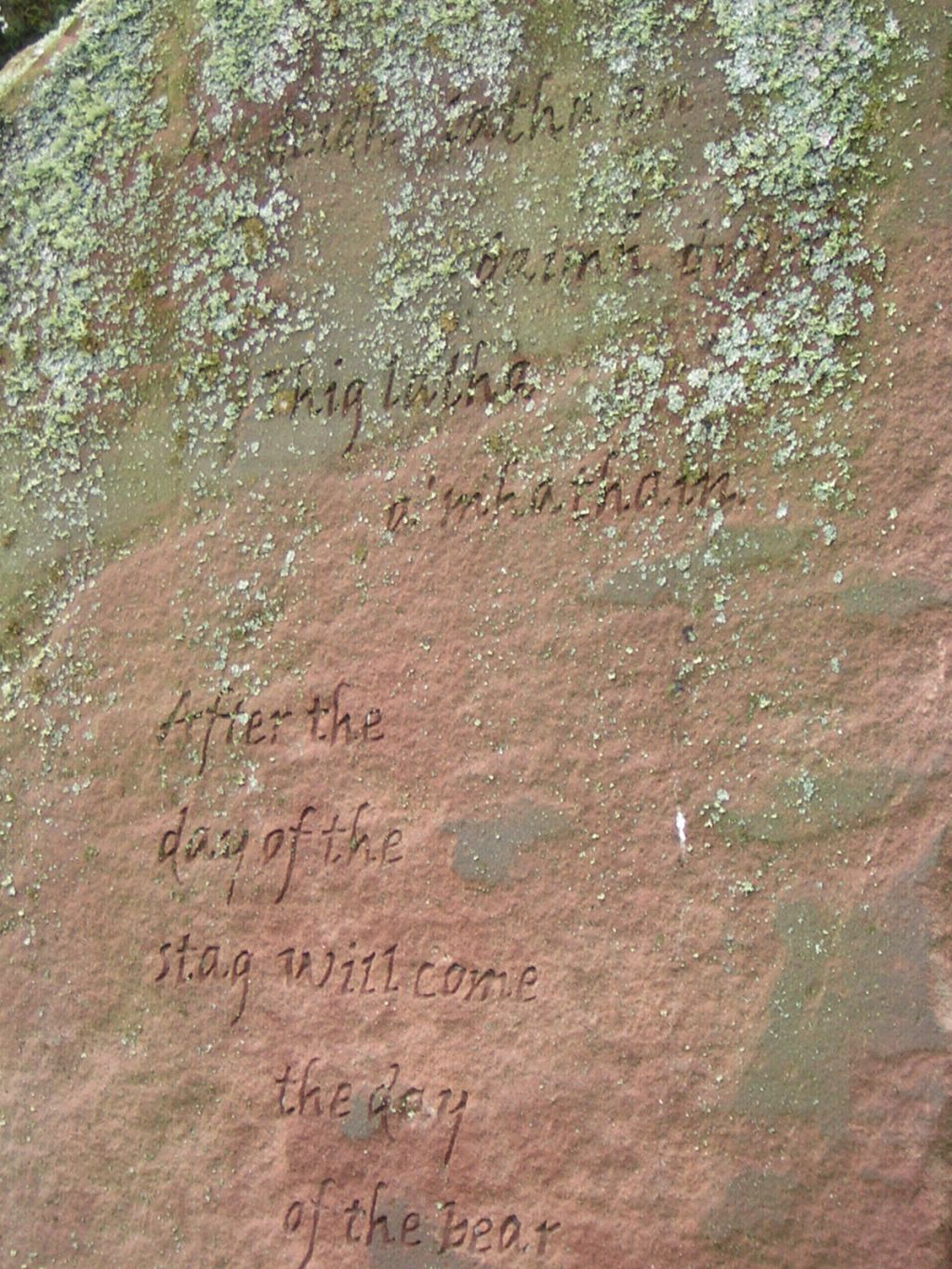 Among the Highland seers, Coinneach Odhar, “Dun-coloured Kenneth” Mackenzie, was the most famous. He was honoured as a prophet throughout the North, and even today his mysterious sayings are talked about. We only know about his life through oral tradition, but there is one official paper mentioning him as a ‘true wizard’ (which meant a death sentence at the time) in 1577.
He is said to have come by a beautiful stone with a hole through the middle, and when he looked through the hole he could see the future. When he first put his eye to the stone he lost his sight, and that eye remained blind thereafter.
He forecast great roads and iron roads that would cross the country. “The day will come when a road will be seen crossing the hills of Ross from sea to sea, with a bridge over every stream. The day will come when a chain of carriages will travel from Inverness to Dingwall, and they won’t need a horse to draw them.”
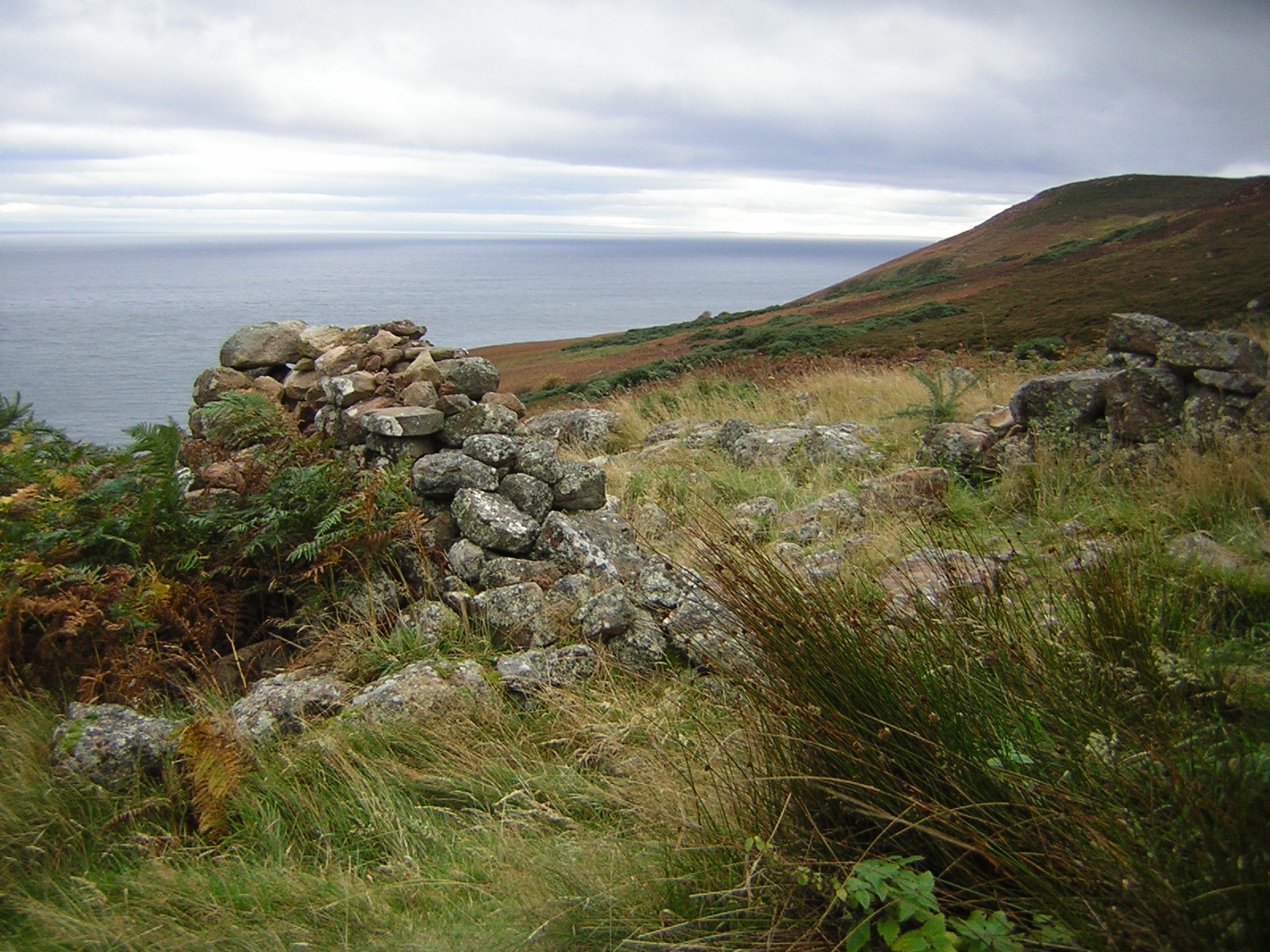 Kenneth saw a time when deer and sheep would be more precious to Highland landlords than people, and the glens would lie bare, and “herding and ploughing will die out.” He also mentioned medical progress. He said of Strathpeffer: “The day will come when there will be a lock and key on these bitter waters and hordes will come from far afield to drink them.”
Boats, he foretold, would sail from one end to the other of the Great Glen, round the back of Tomnahuirich Hill, and the day would come when there would also be a lock and key on the hill itself – now an enclosed cemetery. It’s also believed he predicted Culloden. ” Oh Drumossie! I see the day when your plains will be red with the noble blood of the heroes of the glens.”
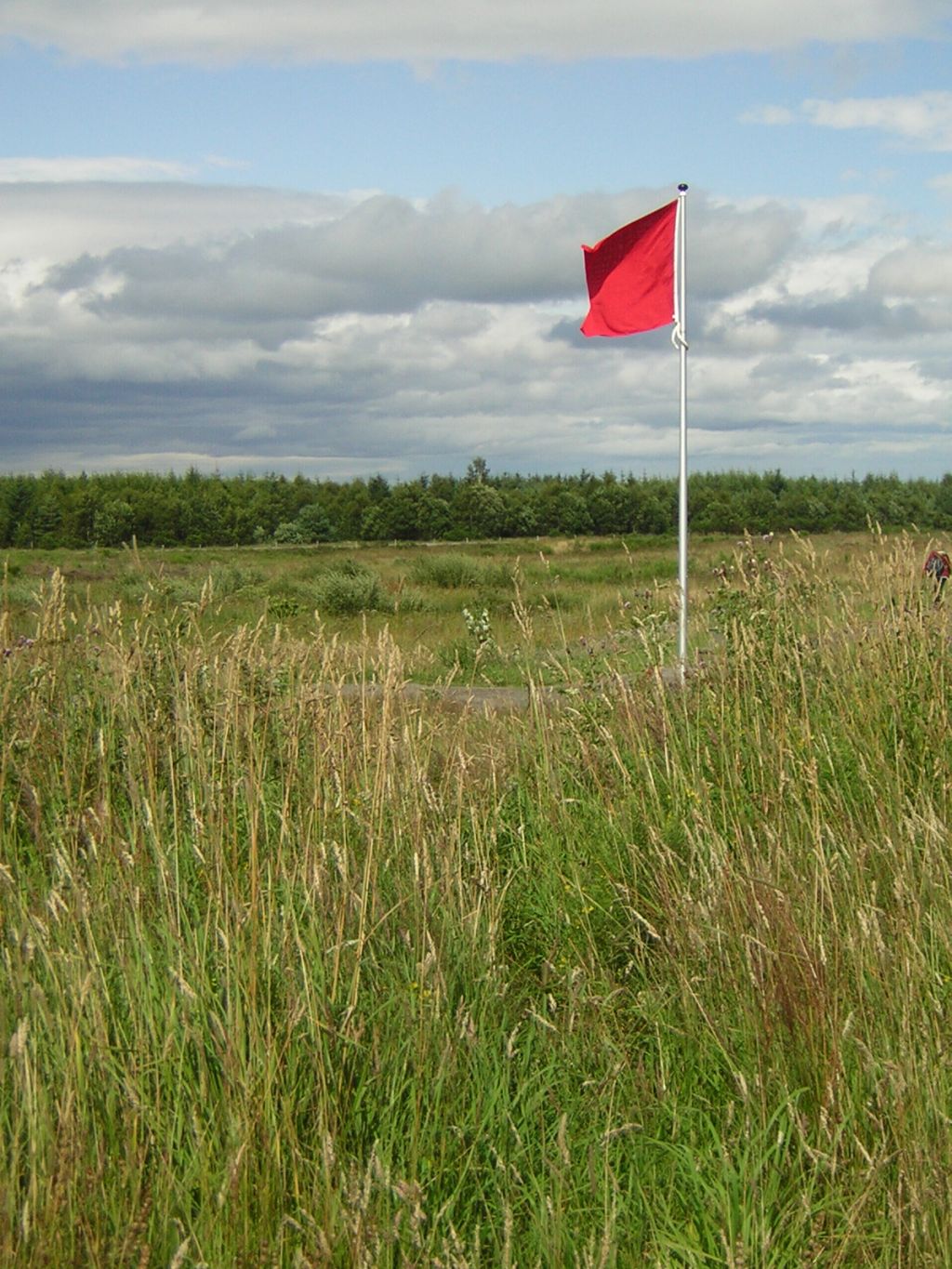 Another of his predictions was that “the day will come when there is a drinking-house at the end of every furrow, and a policeman on every street-corner.” It’s not known if he saw a link between these…
Kenneth’s fame grew with the predictions he made for clan chief Mackenzie of Kintail and Seaforth, who resided in Brahan Castle (now demolished, with the stone used to build Conon Bridge), where Kenneth got work, with a branch of the family living in nearby Fairburn Tower. He and Lady Seaforth fell out when he told her things about her husband that she shouldn’t have heard, including that he was gallivanting with another woman in Paris. He reacted to her anger with the prophesy: “The day will come when when Clan Mackenzie will lose all its possessions, the castle will lie empty, and a cow will bear a calf in the topmost chamber of Fairburn Tower.” She knew that only the dead can’t bear witness, and she had him charged with witchcraft.
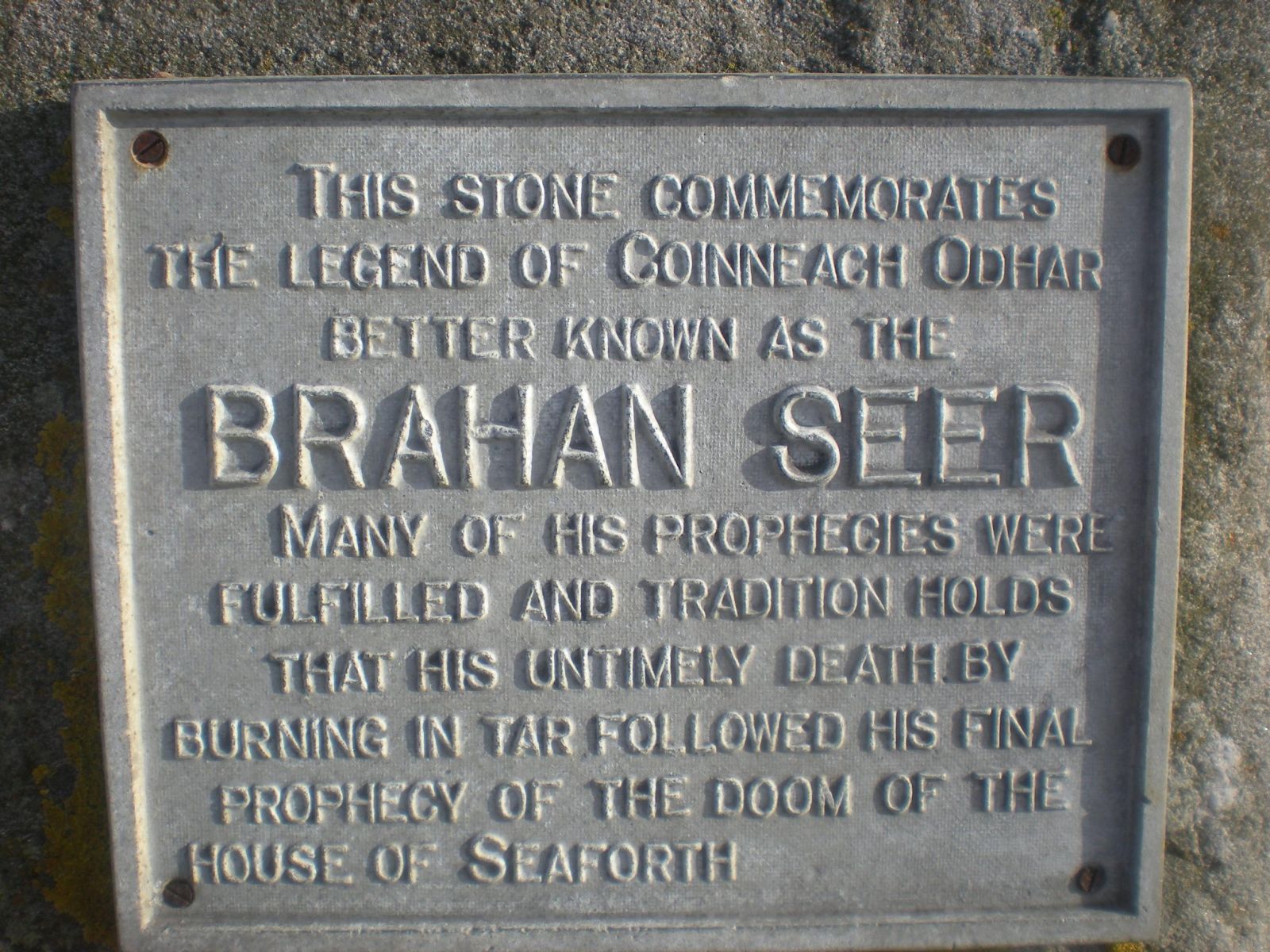 The seer was put to death in a barrel of tar close to where the Chanonry Point lighthouse on the Black Isle is today. Lady Seaforth was among those following him to that place, and when people started mocking him, he turned back to her and proclaimed: “I see the last Earl of Seaforth in old Brahan Castle. There will be no Chief of Kintail after him, and the Kintail estate will pass to strangers. The last chief will be deaf and dumb. He will have 4 sons, and he’ll see them all in the grave before him. He will be a sad wretch, and will know that he has no one of his line to follow him.”
And this is indeed what happened, in 1815, with most of the details being true. As Sir Walter Scott wrote:
“Of the line of MacKenneth remains not a male
To bear the proud name of High Chief of Kintail.”
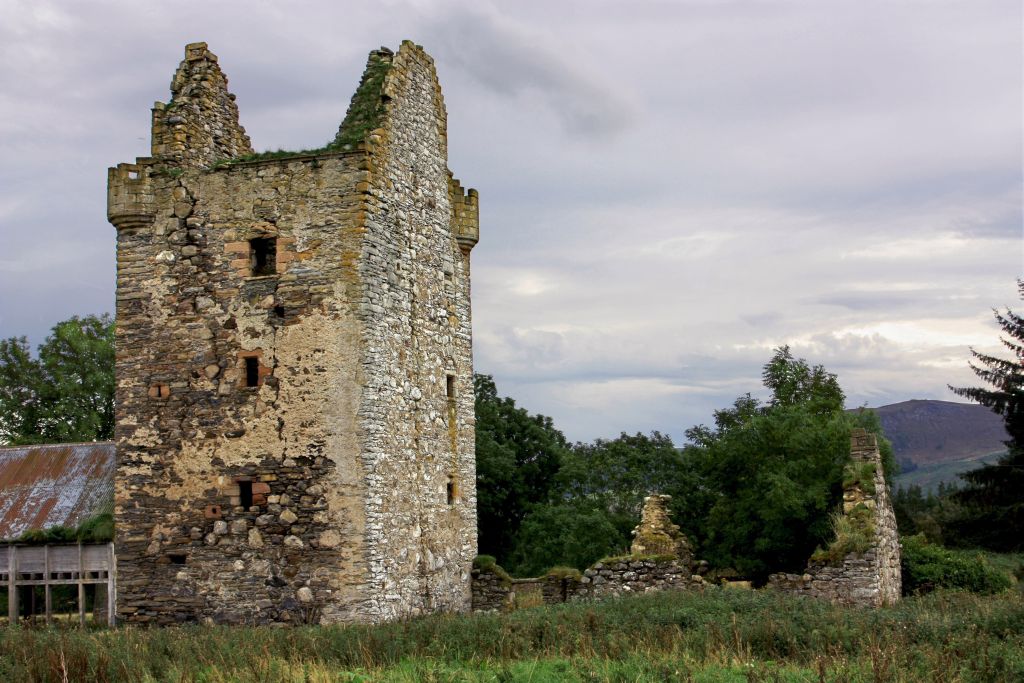 And in 1851, with Fairburn Tower already in ruins and being used as a barn, that other prophesy also came true. A cow in calf followed the trail of straw up the stairs of the tower to the hayloft and couldn’t get out again. She calved there and was stuck there for 5 days, long enough for all the locals to come and see the prophesy fulfilled with their own eyes. There were even apparently special trains laid on from Inverness, so famous was the Brahan Seer and his prophesy.
Many more of his predictions have come true, or have been interpeted as coming true, too many to mention here, but some still haven’t been fulfilled. He also foresaw that “The day will come when a white fox (a snow fox?) will be killed in Sutherland.” Who knows but that Kenneth was predicting the next Ice Age…
(Acknowedgement: this article is based on one in Uicipeid, the Gaelic Wikipedia http://gd.wikipedia.org/wiki/Coinneach_Odhar#Coinneach_Odhar )
Photo credits: Fairburn Tower, all by kind permission of Richard Paxman http://www.flickr.com/photos/62445171@N00/3440268294/in/photostream/
Seagull: © Copyright sylvia duckworth and licensed for reuse under this Creative Commons Licence http://www.geograph.org.uk/photo/612594
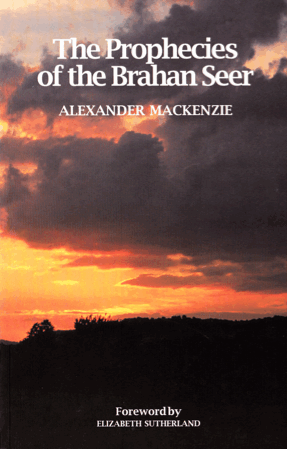
Tha tionndaidhean eadar-dhealaichte ciamar a fhualr Coinneach a’ chlach agus an dà-shealladh anns na Litrichean Beaga do Luchd-Ionnsachaidh 379 agus 380. (Teacsa dà-chànanach + mp3)
There are different versions of how Coinneach got the stone and the second sight in the Little Letters forLearners 379 and 380, bilingual text + mp3: